From Sweden to Japan, and Eventually Yaraku
What brought you to Japan?
It’s kind of a long story, but to make it short… my older brother was living in Japan, so I came here on vacation to visit him.
I wasn’t actually that interested in Japan before that. But then, I don’t know, just on the first day, I fell in love with Tokyo and Japan for some reason.
After going back to Sweden, I spent about a year looking for ways to work in Japan. It was difficult at the time because many companies wanted applicants who already had a visa, so eventually I quit my job and came to Japan through language school.
I wasn’t actually that interested in Japanese study itself. I just wanted to have a way to stay in Japan.
How did you find Yaraku?
While I was studying Japanese, I started looking for a job again.
One day, I found a Yaraku job ad, and it was just kind of perfect for me. The requirements were exactly the things I had been working on in Sweden, so I thought, “Yeah, this is the best opportunity so far,” and applied.
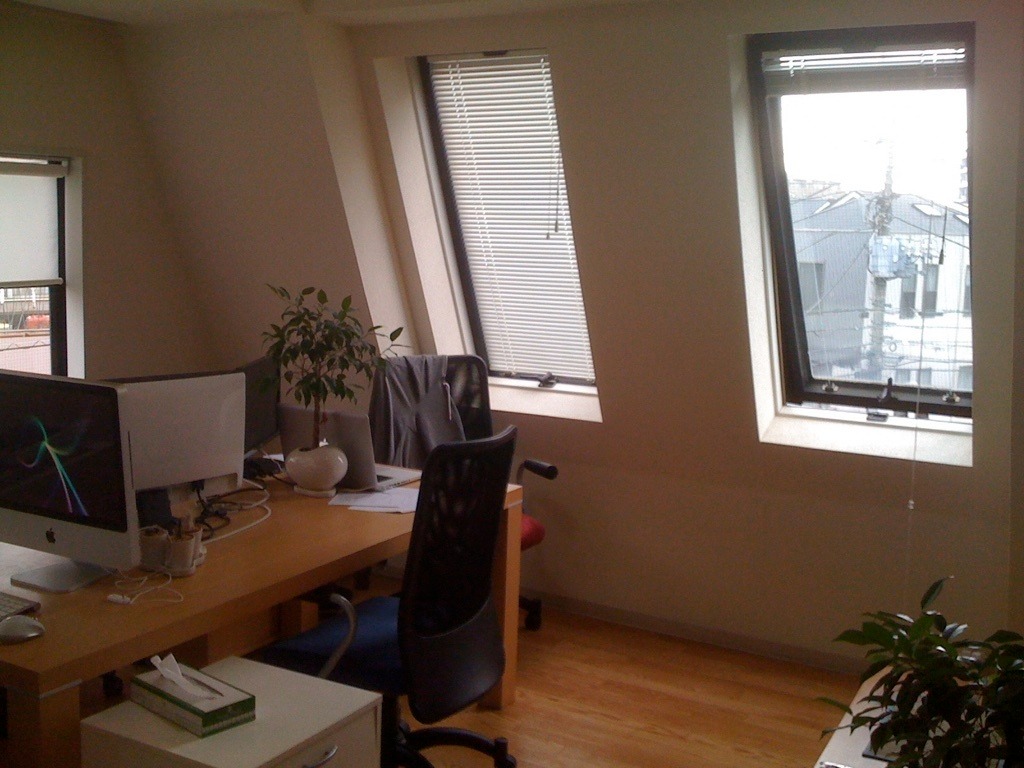
The interview was in the small apartment where Suguru (our CEO) was living at the time. There was one table, Suguru, a designer, and the developer I was going to replace.
When I left the interview and was walking to the station, Suguru added me on Facebook. So I thought, “Yeah, probably he will hire me.” It felt like a very positive sign.
From the Only Developer to CTO
How has your role changed since you joined Yaraku?
Yeah, 100%.
When I started, I was the only developer. I had to do almost everything related to development by myself.
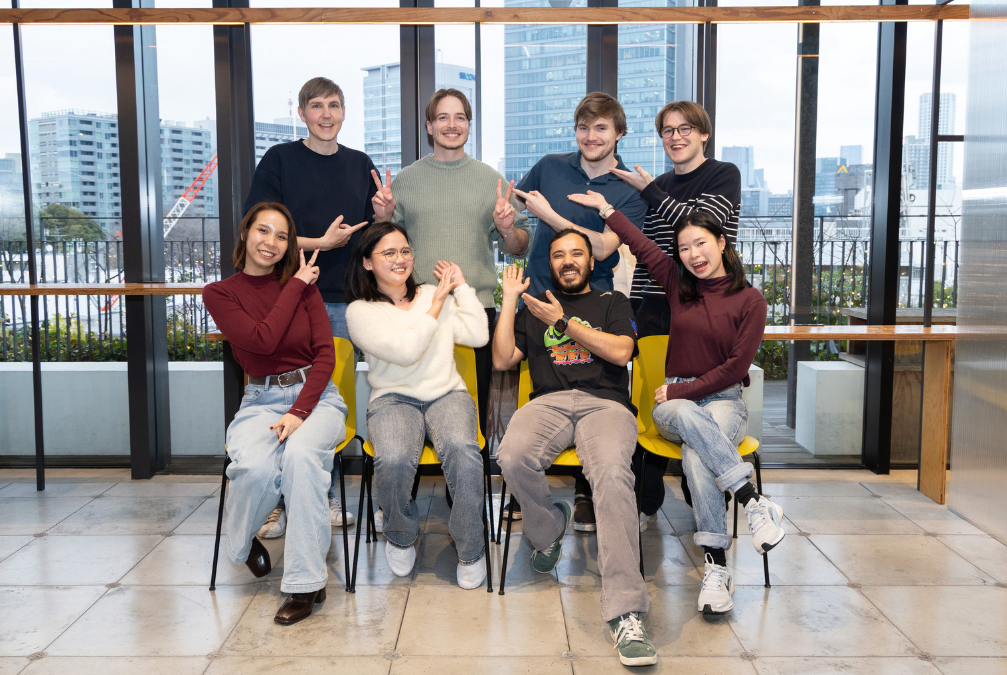
Now we have this great big team that takes care of planning, project management, and development. My role is more about keeping an overview of the work and priorities, speaking with Suguru, communicating requests to the rest of the team, and making high-level technical decisions.
Even if I’m sick for one month now, Yaraku won’t stop. When I first joined, if I had been sick for a month, all development would just have stopped. I think that’s a very good change.
Questioning Ideas and Exchanging Opinions
What is communication at Yaraku like for you?
Among my friends in Sweden, we like discussing things and debating things.
It’s interesting to ask, “What if it’s like this? What if it’s like that?” You’re kind of testing your opinions.
My feeling is that in Japan, people sometimes try harder not to get into conflict or say something that might offend someone.
But I feel like the people at Yaraku are a little different. It’s easy to discuss things here. I think many of the people who choose Yaraku are looking for a somewhat different kind of culture, where you can share your real opinion and talk things through.
How would you describe Suguru-san?
It’s hard to summarize someone in a few words, but yeah, I would say… progressive and unconventional.
Especially the progressive part—he’s always trying to move forward. And he’s quite different from many other leaders.
In the past, when it was only me, him, and a few other people, we would go to meetings with big companies. Sometimes Suguru would say something and I would think, “Is it okay to talk to them like that?”
But I noticed that investors and people at those companies liked him because he was unconventional. They found it interesting, and I think they believed in his vision because of that.
I think that difference attracts people.
“Is There a Better Way? Or a Simpler Way?”
Do you have a philosophy behind your work?
Yes. I think what I always try to do is to always question what I’m doing.
If I find a solution, I don’t just think, “Oh, finally I found a solution,” and move on.
I’m always questioning it.
I always ask: Is there a better way to do it? Or is there a simpler way to do it?
I have a tendency toward overcomplicating stuff, so even now I ask myself these questions many times every day.
It’s also about staying curious and trying new things.
When someone hears that I’ve been working in development for around 20 years, maybe they think I’m some kind of expert or something.
But I always try new things which make me feel almost like a beginner sometimes.
I try to stay a little bit outside my comfort zone and do things I haven’t done before, so that I can keep learning.
Do you get frustrated when a solution doesn’t work?
Not really. I feel like I almost never really get frustrated.
Sometimes I’ve been working on a solution and then realize it’s not going to work, or I get stuck. Of course, then I get stressed.
But I try to think about the problem in a different way and come up with another solution.
So, frustration—maybe I don’t understand the word correctly—but frustration for me feels like there’s no way out, basically.
But there’s always a way out. You can always do something in a different way when it comes to work.
Keeping Yaraku Translate Simple
What do you think is appealing about Yaraku and Yaraku Translate?
Atmosphere and people, definitely.
Another thing I like is how quickly we try to solve problems.
If the Customer Success team receives a problem, they can immediately send it to the development team, and sometimes someone will try to fix it on the same day. I feel that we really prioritize solving the problem.
For Yaraku Translate itself, the ambition is to keep the app simple. I think that’s also part of its charm.
There are other translation tools with a lot of features and functions. Some people really need all of those functions, and maybe Yaraku Translate isn’t for them.
But there are also many people who don’t need all of that and just want a simpler product.
For me, simplicity is important both in the product and in development.
Creating a Team Where Developers Can Keep Learning
What are your goals at work?
I guess one goal is that all the developers should be happy, enjoy their work, and learn new things.
If you have a company full of unhappy people, maybe you can push them to a certain point: “Work, work, work.” But you only get so far. If people enjoy their work, then basically there’s no limit, I guess.
I also want the technical solutions we use to stay modern and up to date. Technology changes very quickly, so it can be hard to keep track of everything.
But I want Yaraku to be a place where developers can try the latest technologies, learn new things, and enjoy doing it.
What kind of people would you like to work with at Yaraku?
Humble, curious, and professional people.
I like people who try to solve problems themselves instead of just waiting for somebody else to fix them.
The humble part is also very important because everyone has different levels of knowledge.
Even though I’ve been working for many years, there are areas where I don’t know anything.
If I meet someone who is maybe 20 years old and knows more about something than I do, I’m going to ask them to explain what they’re working on and how it works.
I expect them to explain it without reacting like, “Oh, how come you don’t know that?”
I expect everyone to respect each other and be humble.
And curiosity is super important.
You have to stay curious and keep learning.
Is there anything you think is especially important, both at work and beyond?
I think it’s very important to keep questioning.
That’s how I approach development too: Is there a better way? Is there a simpler way?
I think it’s a good recipe for being successful at work, I also think life also becomes more interesting if you keep trying to widen your horizon and learn something new.