Dramatically Shorter Lead Times: How Quality Assurance Built a Translation Infrastructure Combining Expertise and Security
Topre Corporation (hereafter, “Topre”) is an automotive parts manufacturer with operations around the world. Its Quality Assurance Department serves as a central hub, collecting quality information from sites worldwide and delivering accurate, timely feedback across the company. How did the department build a secure, high-accuracy translation environment capable of interpreting information from overseas sites with distinct quality cultures—including the United States, China, India, Mexico, and Thailand—and sharing it across the company in Japan and abroad? This case study explores its approach.
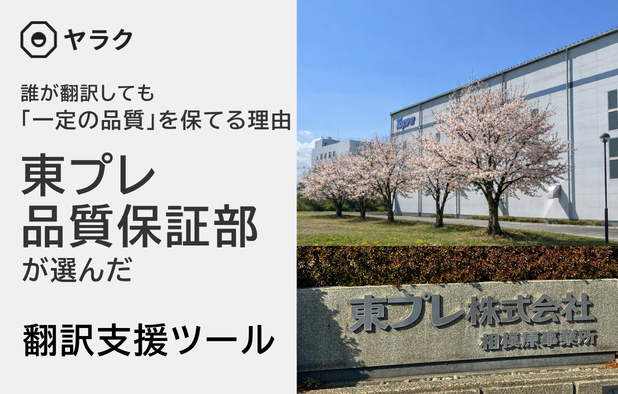

Topre Corporation
Headquartered in Chuo-ku, Tokyo, Topre is an independent manufacturer that has continued to grow around advanced metal press forming technology since its founding in 1935. Its strength lies in an integrated system covering everything from design and development to production. Through a global network spanning Japan, North America, and Asia, the company provides a broad range of products, including automotive press components, refrigerated trucks that support temperature-controlled logistics, and air-conditioning equipment. Website: https://www.topre.co.jp/
Interviewee
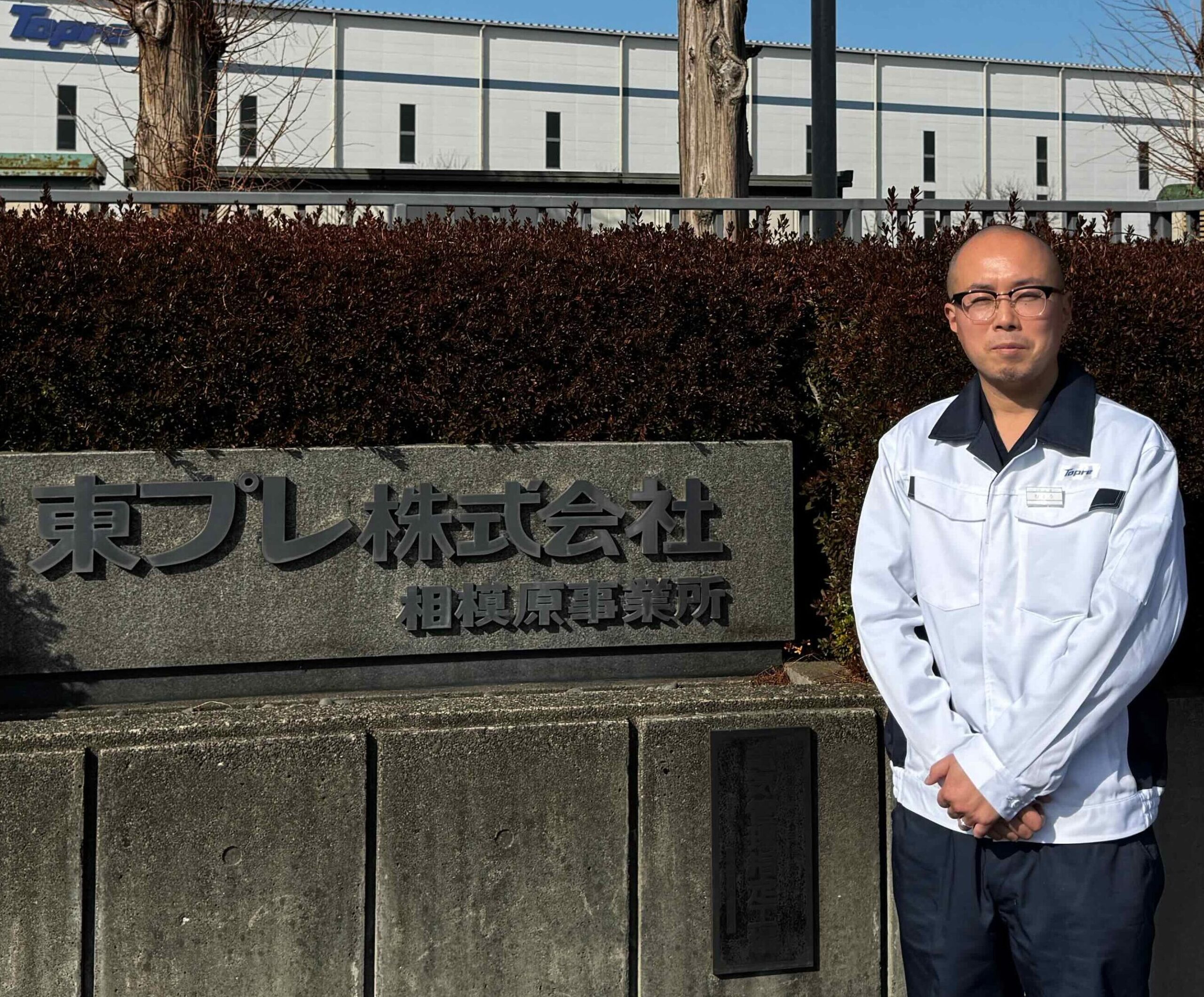
Topre Corporation Quality Division, Quality Assurance Department Muto
Translation challenges unique to quality assurance revealed while exploring generative AI
Muto had previously considered using general translation services. However, because quality documents contain highly confidential information, the terms of use needed to be reviewed carefully in light of each document’s nature and security requirements. This reinforced the need for a translation environment that could be used safely in day-to-day operations. One candidate was a business translation environment powered by generative AI. While generative AI offers significant potential, applying it in a highly specialized field such as quality assurance also revealed challenges unique to real-world operations. Here, we examine the three translation challenges identified by the Quality Assurance Department and the background that ultimately led Topre to choose Yaraku Translate.
1) “Complete terminology control” to ensure consistent technical terms
The Quality Assurance Department uses many industry-specific terms and internal expressions. Yaraku Translate enables users to register knowledge in its Glossary and Phrases features and apply it to translation results, helping ensure that registered terms are used consistently.
“In quality assurance documents, using different terms depending on context can create misunderstandings. Even with generative AI, wording sometimes changed with the context and introduced unintended variation. To keep translation results consistent, we needed a way to manage terminology reliably within the system.”
2) Editing flexibility for precise, targeted corrections
Quality assurance documents often require fine adjustments after translation. Muto says Yaraku Translate fits their day-to-day work well because the editor lets them select and revise only the necessary sections, leaving the rest of the text unchanged.
“In practice, we often need to correct only a particular expression. With generative AI, the surrounding text sometimes changed depending on how we phrased the instruction, introducing edits we did not intend. Having an environment where we can reliably adjust only the necessary portion is extremely helpful.”
3) The importance of translating documents while preserving their layout」
The Quality Assurance Department works with many layout-sensitive documents, including PowerPoint and PDF files. Yaraku Translate includes File Translation, which lets users upload a document and receive a translation that preserves the original structure as closely as possible.
“Keeping diagrams, tables, and their placement unchanged is important. With generative AI, the layout sometimes changed depending on the file format or content, requiring additional adjustments. Yaraku Translate preserves the original structure during translation, so we can use the output smoothly as meeting materials.”
The benefits of consistent terminology and centralized knowledge management
Quality assurance involves many internal expressions and industry-specific technical terms. Yaraku Translate lets teams manage terms and phrases in the Glossary and Phrases features, apply registered knowledge to translation results, and maintain consistent wording.
“The automotive industry uses many specialized expressions that differ from general wording. Even terms for a specific task may be described differently in everyday language and on the shop floor, so it is important to handle these distinctions correctly.”
Terminology for the same concept can also vary according to industry conventions.
“The same concept may be described differently depending on the manufacturer or specification. Mixing different expressions in one document can lead to misunderstandings, so we maintain separate glossaries to ensure the right wording is used for each document. Managing terms within the system helps us maintain consistent quality regardless of who handles the translation, which is a major practical benefit.”
Handling audit documents that demand precision and multilingual materials
The Quality Assurance Department handles critical internal documents related to quality, organizing and evaluating information to improve product reliability. In these documents, even subtle differences in wording can affect decisions. Choosing terminology appropriate to the field and context is therefore essential when translating.
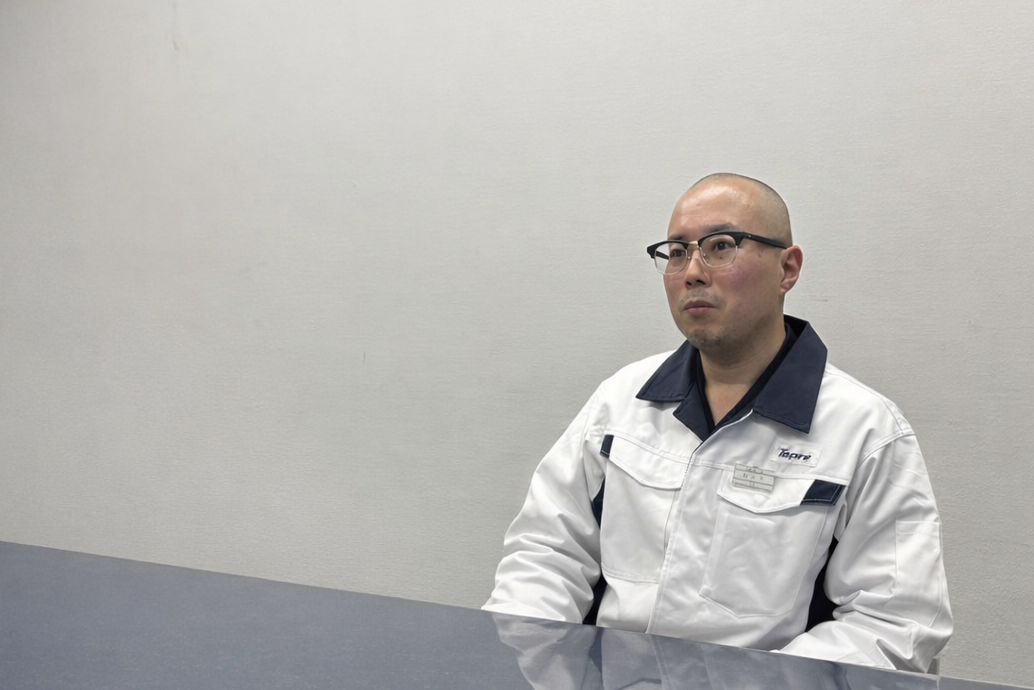
“For documents used in quality checks, the points to be verified must be clear. Being able to specify the field makes it easier to obtain translations that match the document’s purpose.” (Muto) Materials received from overseas sites may also contain content in multiple languages. Quality assurance teams often work with documents written in several languages to reflect local circumstances, so the translation environment must handle them correctly. “In practice, we sometimes work with documents that contain multiple languages in a single file. Yaraku Translate recognizes these multilingual documents and translates them while preserving the layout, which makes them easy to use in our work.”
Reducing reliance on individuals to shorten lead times—and what comes next
Establishing a process that does not depend on a specific employee for translation has significantly improved overall efficiency.
“Previously, we sometimes asked colleagues who were proficient in English to handle translations, and the work could take time depending on their other responsibilities. Since adopting Yaraku Translate, we have been able to translate the materials we need ourselves, significantly reducing turnaround time. We can also prepare translated materials smoothly for regular meetings with overseas sites.” (Muto) Going forward, the department plans to register frequently used expressions in Phrases, creating an even more efficient translation environment. It will also gradually strengthen support for the languages used most often. “The Quality Assurance Department is responsible for organizing and sharing information on defects across the company. To communicate accurate information to frontline teams, we believe it is essential to have an environment that delivers translations of consistent quality.”
A rollout decision backed by real-world data and easier budget management
When selecting a translation environment, Topre carefully evaluated options using materials from its actual work, checking the time and effort required. Looking ahead to post-rollout operations, predictable costs also became an important factor in the decision.
“We evaluated the options using the Japanese and English business documents we use internally, checking how long translation would take and what work would be required. Comparing them with real-world data made it easier to determine which environment best fit our teams. Because Yaraku Translate is available at a flat rate, it was also easier to plan the budget, even when handling text-heavy documents.”
Post-interview reflections
In the Quality Assurance Department, even small changes in wording can affect decisions and responses. A translation environment must therefore meet practical requirements such as terminology consistency and security. As more companies adopt generative AI for business use, fields that demand precision—such as quality assurance—need translation environments that can apply internal rules and terminology consistently. Topre’s approach stood out for its careful evaluation with real-world data and its decision to choose a system suited to the department’s actual work. The translation environment developed by Topre’s Quality Assurance Department offers a useful example of how global manufacturers can support frontline communication.