Streamlining International Staff Training: How 1&D Co., Ltd. Standardised Training and Accelerated Updates by Bringing Customer Service Manual Translation In-House
1&D Co., Ltd. (hereinafter “1&D”) operates multiple all-you-can-eat yakiniku restaurant brands, including One Karubi and Aburiya. The company actively recruits international staff, and as of October 2025, approximately 900 employees from 21 countries were working across its operations. While this diverse workforce plays an active role in frontline operations, 1&D faced a key challenge: service quality varied by location and employee even though it needed to be consistent.
One reason was that multilingual versions of cooking, customer service, and other manuals were not keeping pace with updates. Even when the Japanese manuals were current, versions in employees’ native languages remained outdated. Manual information was not reaching every part of frontline operations.
To address this, 1&D decided to bring its previously outsourced manual translation work in-house.
The goals were twofold: 1) minimise the delay between updating Japanese manuals and creating multilingual versions, and 2) reduce translation costs. Yaraku Translate was the translation support tool that met these requirements.
This article looks at how Yaraku Translate changed the way 1&D updates and translates its manuals, and how those changes affected staff training.
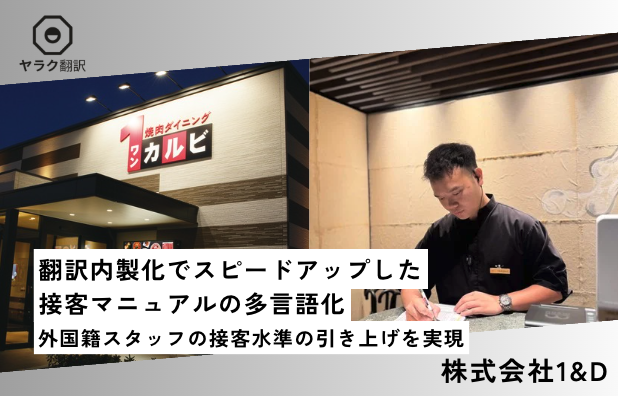

株式会社1&D
Headquartered in Osaka, 1&D is a restaurant company that operates multiple food-service brands nationwide, centred on all-you-can-eat yakiniku concepts. Yakiniku is its core business, serving a broad customer base from families to younger guests through locations tailored to their local markets. The company has approximately 9,000 employees, including part-time staff, who support its nationwide restaurant network.
Website: https://1andd.co.jp/
Interviewees
Nishigami, Head of Training, Human Resources Development Department, Sales Headquarters, 1&D Co., Ltd.
Moewaki, Deputy Head of Training, Human Resources Development Department, Sales Headquarters, 1&D Co., Ltd.
Challenges and concerns
– Different tools used by each department
– No clear usage rules
– Concerns about account management
Expectations
– Build a secure translation platform integrated with internal systems
– Enable flexible customisation aligned with internal policies
– Improve translation quality through consistent terminology
Challenge: An increasingly multinational workforce | Reliance on individuals in staff training and delays in multilingual manuals
Employees from Nepal, Vietnam, Myanmar, Bangladesh, and other countries work at One Karubi, Aburiya, and other locations. Detailed manuals enable them to provide Japanese-style service while using Japanese, even though it is not their first language.
There are more than 10 types of manuals covering cooking, hygiene, customer service, cash register operation, and other tasks. Although service at each location is based on these manuals, there was a period when service quality varied among international staff. Because multilingual manuals had not kept pace, frontline teams ended up relying almost entirely on the few international employees who understood Japanese.
As a result:
- Responsibility for training new staff was concentrated among a small number of people
- Training content and level varied depending on the individual instructor
This led to growing reliance on specific individuals.
Nishigami, who oversees employee development, recalls the situation at the time.
「“Until three years ago, most of our international employees were Vietnamese, but the workforce has since become truly multinational. With staff who speak different languages and come from different cultures, we couldn’t keep up with training using Japanese-only manuals, and there were major differences in how well people understood the work. At some locations, we had no choice but to leave training to the one employee who happened to speak Japanese, so I think we relied heavily on that person’s experience and judgement.”」——Nishigami
Background: Frequently updated manuals and the limits of outsourced translation
1&D has a wide range of manuals that are updated frequently. Although the Japanese manuals were updated, translation could not keep pace, leaving foreign-language versions outdated.
The company urgently needed to eliminate reliance on specific trainers and bring every employee, regardless of language, up to the same service standard. This required minimising the delay between Japanese and foreign-language versions.
1&D decided to bring translation work that had been outsourced to external vendors in-house. High outsourcing costs were one reason foreign-language versions were sometimes left outdated.
In addition to Vietnamese, the company needed to support Nepali and Burmese. Outsourcing translation into all these languages was not realistic.
「“At the time, we outsourced the translation of all our manuals, and a single translation sometimes cost around ¥1 million. The cost of every update and the long lead time were major obstacles, leaving frontline teams with no choice but to use outdated manuals. I’m sorry that this caused difficulties for the restaurants in terms of training.”」——Nishigami
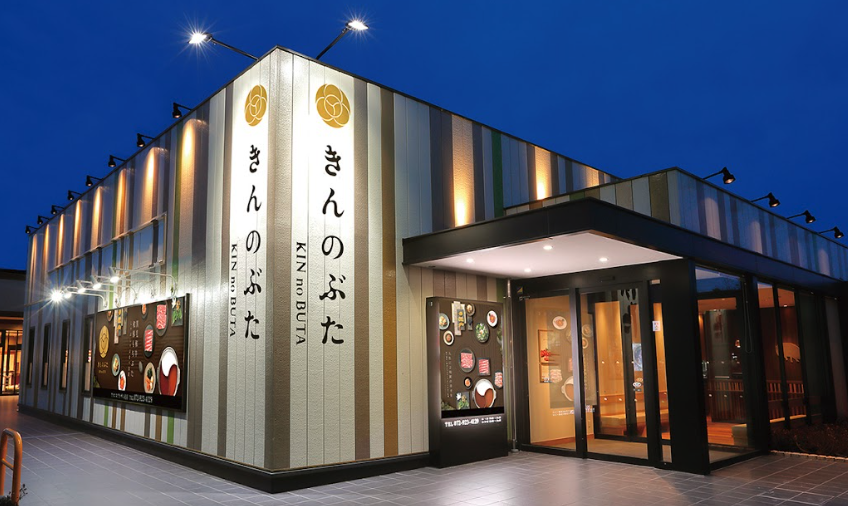
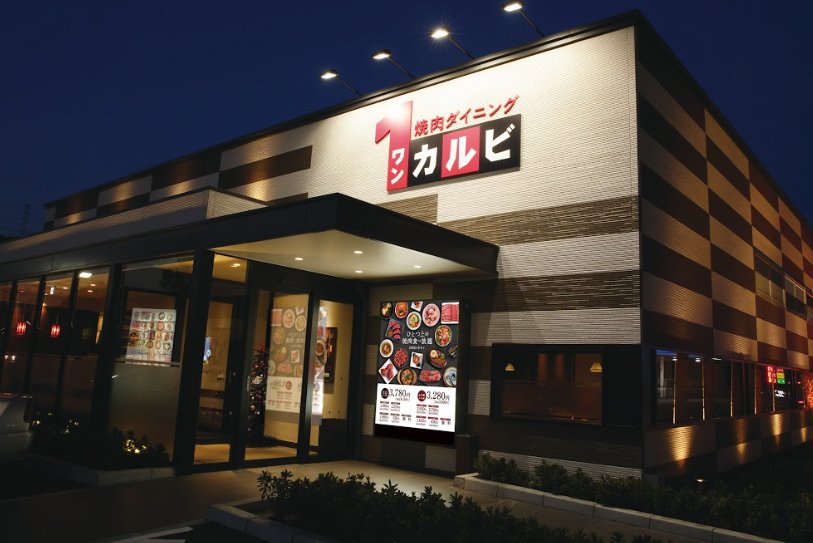
1&D locations across Japan
Yaraku Translate: Speed, cost-effectiveness, and ease of use
External translation companies provided consistent quality, but cost, turnaround time, and difficulty with post-editing remained issues. This made it increasingly difficult to meet frontline needs for rapid multilingual support.
When considering in-house translation, 1&D compared several machine translation tools.
– Support for a wide range of formats, including PDF and Word
– Simple operation with no specialist knowledge required
– Translation that preserves the layout of existing manuals as much as possible
– Ability to keep costs down while supporting frequent updates
Based on these criteria, 1&D determined that Yaraku Translate was the best fit.
Moewaki, who is responsible for training and manual creation, describes the changes before and after implementation.
「“Being able to upload and translate PDFs directly has significantly reduced the time we spend on the task. Translation that took one month when outsourced can be completed in about one day with Yaraku Translate.”」——Moewaki
This substantial time saving was especially important for 1&D. The company can now prepare each language version shortly after updating the Japanese manual, minimising information gaps between headquarters and frontline teams.
「“It also met our cost requirements because there is no character limit or additional charge. The intuitive interface is another strength, making the tool easy to use in day-to-day operations.”」——Moewaki
How it works: Machine translation + human review for manuals that work in practice
After introducing Yaraku Translate, 1&D established a two-stage process: the headquarters training team translates Japanese manuals, and employees fluent in each target language review the content.
First, Yaraku Translate quickly creates a base translation. Team members then post-edit it to reflect cultural and contextual differences, producing multilingual manuals that can truly be used in frontline operations.
When Aburiya opened in Ho Chi Minh City, Vietnam, in August 2025, a Vietnamese employee named Dat played a particularly important role.
As one of 1&D’s first Vietnamese employees, Dat has worked with the company for many years and is now involved in training local staff at the restaurant in Vietnam. Familiar with both Japanese and Vietnamese cultures, Dat also serves as a kind of quality supervisor, assessing whether translated manuals fit the actual workflow and local service style at the Vietnamese location.
「“If the Japanese word ‘okyakusama’ is translated literally, it can sound too distant in Vietnamese. Friendly service is natural in Vietnam, so we adjust the wording to make it more approachable and culturally appropriate.”」——Dat
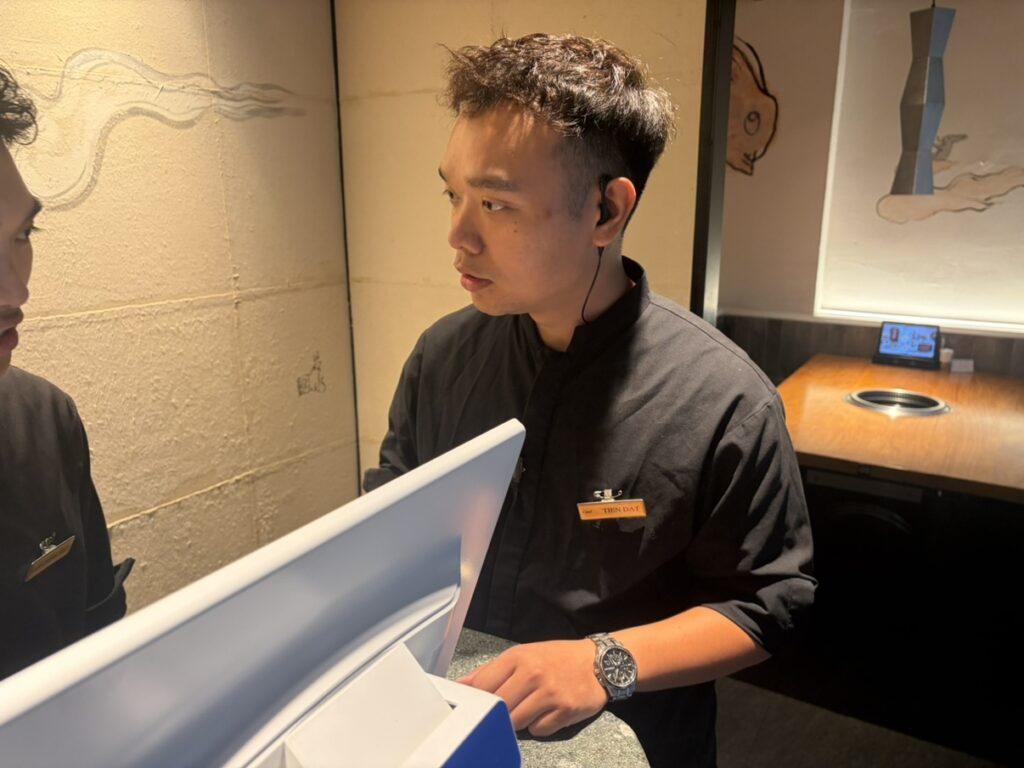
Dat training staff at the Ho Chi Minh City location
Japanese manuals frequently use phrases such as:
“We’re sorry to trouble you,” “Please wait a moment,” and ambiguous expressions such as “as much as possible” and “thoroughly”
Dat notes that literal translation can weaken the meaning and sometimes make the original intent harder to understand.
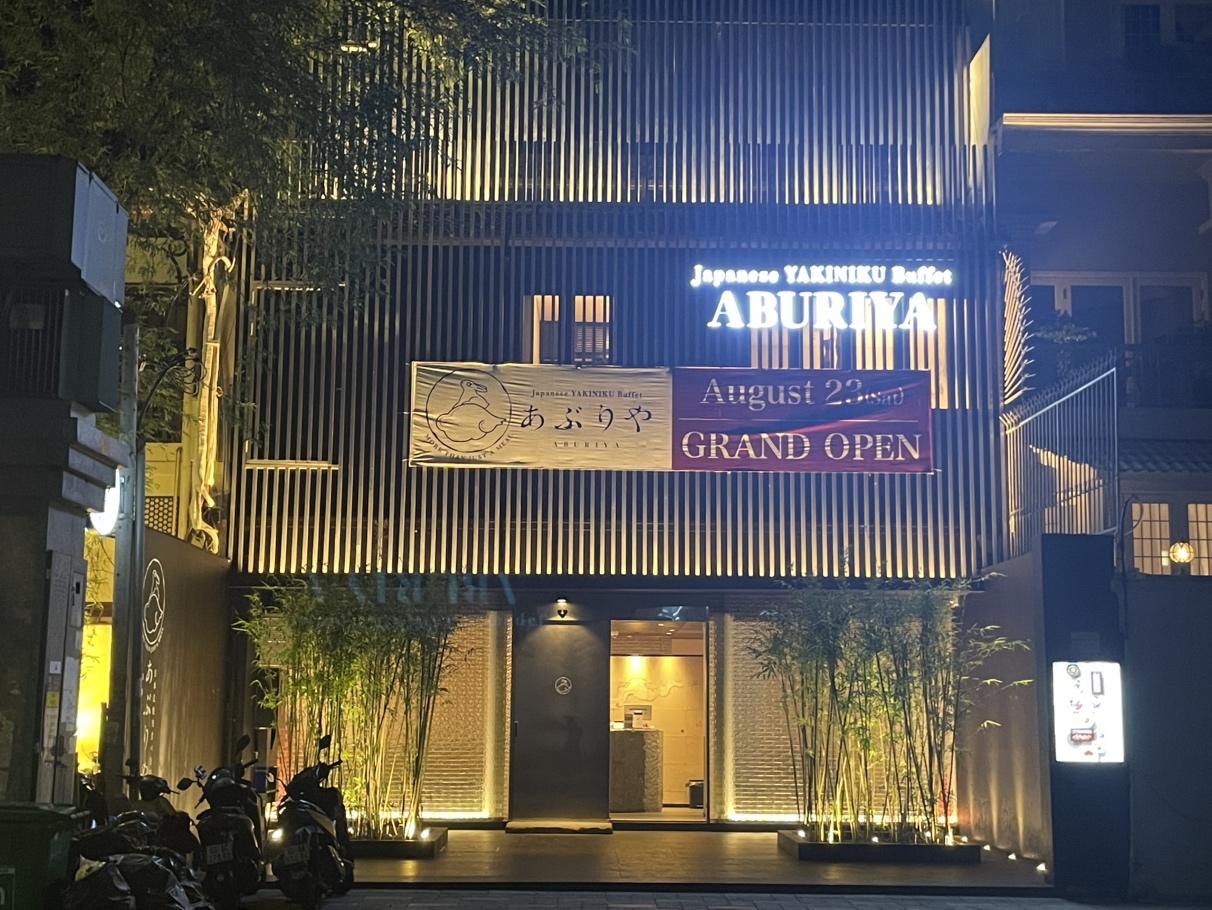
*Newly opened location in Ho Chi Minh City
“Ambiguous Japanese expressions can make it difficult for Vietnamese employees to know what action they should take. Machine translation gives us a foundation, so we can spend our time refining the wording to communicate the intended action clearly.”
By establishing a clear division of roles—machine translation for speed and human expertise for frontline adaptation—1&D dramatically improved the quality of its manuals. Employees can now deliver service to a consistent standard by following the manuals, resolving the previous problem of training that depended on specific individuals.
“Many employees say the manuals help them act without hesitation. They also prevent misunderstandings from spreading.”
The restaurant industry can no longer operate without international staff. Although 1&D’s approach is forward-looking, it is likely to become a standard across the industry. Providing multilingual customer service manuals should become as fundamental to operations as supplying uniforms. With its speed, cost-effectiveness, and ease of use, Yaraku Translate can help companies build that essential infrastructure.